
The Financial Aspects of Burj Khalifa's Construction
Intro
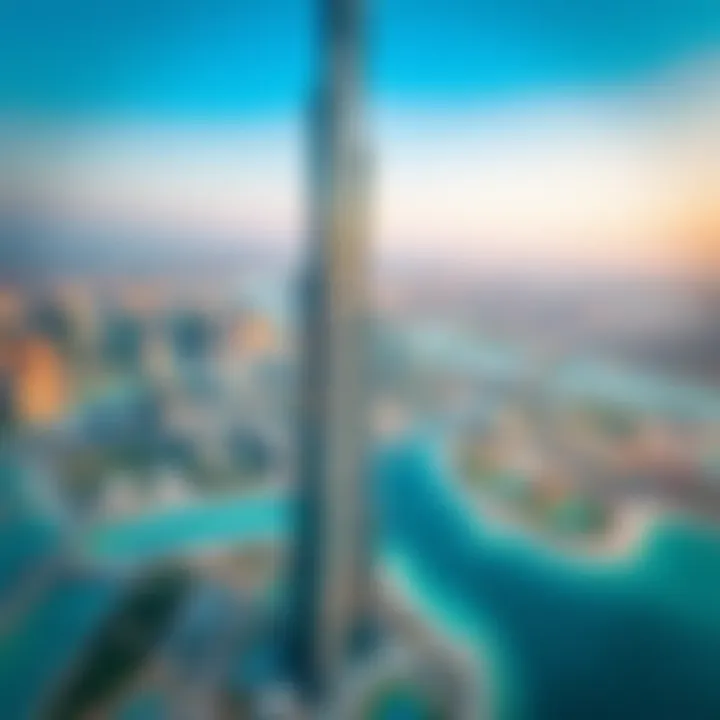
The Burj Khalifa, a striking symbol of innovation and luxury, stands tall in the heart of Dubai. It's not just the tallest structure, reaching for the stars at over 828 meters; it’s a showcase of architectural ambition. But behind its breathtaking facade lies a complex web of financial decisions and expenditures that contributed to its staggering construction cost. Understanding this is key for investors and stakeholders alike who are eager to navigate the intricacies of Dubai's real estate market.
This article takes a deep dive into what it really cost to bring the Burj Khalifa to life, examining the architectural design, the choice of materials, labor costs, and the broader economic implications. Along the way, we’ll shed light on how this iconic edifice influences the dynamics of Dubai’s property market, tourism, and its standing on the global stage.
In today’s rapidly changing real estate landscape, being in the know can make all the difference. Whether you’re an investor scouting high-ROI property types or a buyer curious about the market's pulse, understanding the financial underpinnings of this architectural wonder is essential. Let’s start our exploration by evaluating current market trends that illustrate how the Burj Khalifa fits into the larger economic picture.
Preface to Burj Khalifa
The Burj Khalifa is more than just an architectural achievement; it represents a pivotal chapter in Dubai’s evolution. As the tallest structure in the world, it symbolizes the city’s audacity and ambition. From its dazzling exterior that pierces the sky to its intricate design that captivates visitors, the Burj Khalifa is a testament to human ingenuity. This introductory section lays the groundwork for understanding the multifaceted significance of the Burj Khalifa, particularly its cost, which speaks to not only engineering prowess but also economic vision and strategic planning.
The Significance of Burj Khalifa
The Burj Khalifa is emblematic of what Dubai has achieved in a relatively short period. Its mere presence alters the skyline and attracts millions of tourists, thereby boosting the local economy. Investors and real estate agents keep a close eye on its impact on property values in the surrounding areas. The iconic tower serves as a central pillar for Dubai’s branding as a global city, influencing not just tourism but also international business.
Furthermore, the skyscraper is a prominent symbol of national pride. For the citizens of the UAE, especially, it stands as a beacon of their aspirations and achievements. Its creation encompasses a blend of advanced technology and thoughtful design, igniting future architectural projects. This structure does not merely scrape the sky; it lifts the ambitions of a nation.
A Brief Overview of the Structure
Standing at a staggering height of 828 meters (2,717 feet), the Burj Khalifa is as complex in its construction as it is striking in appearance. Designed by the renowned architectural firm Skidmore, Owings & Merrill, the tower features a series of setbacks that create its distinctive silhouette inspired by the Hymenocallis flower.
Constructed from reinforced concrete, the building consists of 163 floors. Each detail—ranging from the lavish interiors to the cutting-edge safety technology—reflects a commitment to excellence. The sky-high observation decks offer breathtaking views of the city and beyond, drawing in crowds and elevating its status as a must-visit destination.
In summary, understanding the Burj Khalifa’s significance and structure is essential for grasping the complex financial dynamics at play in its construction. By examining these elements, this article will further dissect the costs involved, offering a comprehensive view that highlights how this architectural marvel stands not just as a building but as a cornerstone of economic strategy and national identity.
"The Burj Khalifa is not merely a building but a geopolitical statement that showcases an era of transformation in the Middle East."
This exploration sets the stage for a deep dive into the costs involved, leading us deeper into the intricate layers that make the Burj Khalifa more than just a structure.
For further insights: Burj Khalifa - Wikipedia
Architecture and Engineering of Burj Khalifa
Real Estate Market Trends
Understanding the Cost of Construction
Understanding the cost of constructing a monumental structure like the Burj Khalifa is pivotal for several reasons. It serves as a financial case study that reveals how ambitious architectural projects can be funded and built. Moreover, it sheds light on economic principles at a micro and macro level, especially in the context of Dubai’s rapid urban development. The interplay of financial resources, materials, and labor provides insights that can affect future investments and infrastructure development in similar cities around the globe.
A deep dive into initial budgeting and the overarching final costs allows stakeholders to grasp the complexities involved. It equips investors, buyers, developers, and even expatriates with the knowledge needed to navigate this multifaceted terrain. Real estate agents and market analysts find value in recognizing how these financial metrics influence both direct investments and broader market movements.
Initial Budget Projections
The Burj Khalifa's inception started with a bold vision articulated through its initial budget projections. Originally, the budget was estimated at around 1.2 billion USD, a substantial figure that set the stage for what was to become the tallest building in the world. However, in the world of construction, initial figures often serve as mere placeholders. Various factors, ranging from changes in architectural design to inflation, can drastically alter expected costs.
One of the key learnings from the initial projections was how critical it is to allow flexibility in financial planning. As plans materialized, adjustments were constantly needed; for instance:
- New Material Costs: The initial estimates did not account for the soaring prices of specialized materials necessary for high-rise construction, such as advanced concrete mixes and high-strength glass.
- Changing Design Specifications: Enhancements made to the structure for design and safety reasons also affected the financial blueprint.
These elements underscore why prospective investors should critically analyze the basis of initial cost forecasts. Projects can either remain within bounds or spiral out of control depending on the clarity and foresight in these initial figures.
Final Construction Costs
Once the Burj Khalifa was completed, the final construction costs totaled approximately 1.5 billion USD, marking a significant increase from the initial budget projections. This figure encompasses not just the expenses related to physical construction but also various added costs, such as permits, inspections, and unforeseen challenges that arose over the course of the project.
The breakdown of these final costs is essential for understanding the true economic impact of such an endeavor. Here are some factors that contributed:
- Labor Costs: The demand for skilled labor surged, pushing wage expectations higher than anticipated, especially given the project's complexity and urgency.
- Technology Implementation: Incorporating cutting-edge technology and safety features increased expenditure but ultimately enhanced the quality and reliability of the structure.
- Economic Fluctuations: Shifts in the global economy and local market dynamics also played a role in escalating costs as materials and costs for labor fluctuated.
Construction finance is akin to a fine dance; the steps sometimes change in the blink of an eye, requiring a graceful adjustment to maintain rhythm.
This financial journey emphasizes the importance of prudent financial management, adaptability, and real-time decision-making in overseeing large-scale projects.
To further grasp the detailed analysis and financial implications surrounding the Burj Khalifa, one may explore resources available on sites like Britannica or Wikipedia for historical data and architectural insights.
Factors Influencing the Cost
Understanding what drives the cost of a monumental structure like the Burj Khalifa is essential. Each building block or design choice plays a pivotal role in determining the final price. Investors and developers can learn a lot from the Burj Khalifa’s construction, especially when it comes to budgeting future projects. Factors that influence cost can range from architectural intricacies to the physical materials and labor that shape a skyscraper. Let’s take a closer look at these different elements.
Architectural Design Elements
The architectural design of the Burj Khalifa is like a visual symphony. The building’s shape, its height, and the details of its facade all contribute significantly to its overall cost. Adrian Smith, the architect behind the Burj Khalifa, drew inspiration from traditional Islamic architecture and the nearby desert flower, the Hymenocallis. Such artistic design ideas often come with hefty price tags.
Innovative and complex designs require sophisticated engineering skills. The use of a bundled tube structure minimized the amount of steel and concrete while maximizing height. This unique approach keeps costs down while still ensuring safety and structural integrity. However, intricate designs can elongate the construction timeline as well, further contributing to expenses.
Material Selection and Quality
Choosing the right materials is another key factor in the cost equation. The Burj Khalifa employed high-quality materials that meet stringent safety and aesthetic requirements. For instance, the glass used on the tower's facade is not just any glass; it’s specially formulated to withstand Dubai's harsh climate. This premium selection increases upfront costs but ultimately ensures durability and minimizes maintenance in the long run.
Moreover, the concrete used in the structure had to be of exceptional quality. The developers adopted a mix known as the highest grade of concrete at the time that could endure the immense weight of the building. This specific choice, while more expensive, proved to be crucial for the skyscraper’s stability.
Labor Costs and Challenges
Labor costs represent another significant chunk of the Burj Khalifa's overall price tag. Skilled labor was absolutely essential given the project's scale and complexity. Workers from various backgrounds came together, contributing their unique skills. For example, specialized masons worked on the intricate stonework, while engineers ensured that every component fit perfectly together.
Additionally, working in an environment as towering as the Burj posed its own challenges. High-altitude construction involves advanced safety protocols, hiring specialized personnel, and sometimes increasing labor costs due to safety gear and training. The project faced not only financial challenges but also logistical hurdles when managing teams and materials at such heights.
"It's more than just bricks and mortar; it's a meticulous blend of art, science, and tenacity that shapes an icon."
In summary, it’s clear that numerous factors converge to push the cost of a project like the Burj Khalifa to its astronomical heights. An understanding of these elements benefits investors, developers, and real estate agents as they navigate the intricate world of high-rise construction.
Project Team and Management Strategies
Project management is at the heart of any major construction endeavor, particularly for a colossal structure like the Burj Khalifa. This section explores how the project team and their strategies directly influenced the construction costs and overall success of this iconic skyscraper. Understanding the dynamics of the project team offers valuable insights into managing large-scale construction projects.
Key Players in the Construction
The success of the Burj Khalifa can be largely attributed to the collaboration of various key players involved in its construction. These include architects, engineers, contractors, and project managers, each bringing unique expertise to the table.
- Architecture Firm: The main architectural firm, Skidmore, Owings & Merrill, was integral to the design of the Burj Khalifa. Not only did their innovative vision drive the project's distinct aesthetic, but they also tackled its structural challenges. Their experience with tall buildings ensured that the design was both ambitious and practical.
- Construction Management: The project was managed by Emaar Properties, renowned for their leadership in real estate development in Dubai. Their strategic oversight helped navigate through various hurdles, from budgeting to logistics.
- Engineering Teams: A well-orchestrated effort from specialized engineering teams ensured that each aspect of the building’s complex design was executed flawlessly. Structural, mechanical, and electrical engineers collaborated closely, enabling the amalgamation of cutting-edge technology with robust safety measures.
Overall, the unity of these players ensured that the Burj Khalifa was not just built but built to last. The investment in skilled personnel resulted in minimizing errors and optimizing costs throughout the lifespan of the project.
Management Approaches to Cost Control
Cost control is crucial in maintaining budget integrity, especially in luxury projects like the Burj Khalifa, where any overspend could magnify significantly. The management applied several approaches that equipped them with the ability to keep an eye on expenses and deliver the project within the forecasted budget.
- Detailed Budget Analyses: Initial budgets were meticulously analyzed and adjusted as necessary throughout the construction phase. This proactive approach prevented any financial hiccups that might have derailed the project.
- Technology Integration: Utilizing advanced project management software allowed team members to monitor costs in real-time, making it feasible to address any issues immediately.
- Supplier Negotiations: The procurement process for high-quality materials involved strategic negotiations with suppliers. By building strong relationships, the management could secure better pricing, which subsequently helped in managing down overall construction costs.
"The success of Burj Khalifa lies not only in its architectural brilliance but also in how well the project team navigated the stormy waters of construction management."
In short, the project team's ability to apply effective management strategies played a significant role in mitigating financial risks while ensuring the on-time delivery of the Burj Khalifa. For investors, this exemplifies a multifaceted approach to project management that combines efficiency with a deep understanding of construction complexities.
Economic Impact of Burj Khalifa
The Burj Khalifa, standing tall in the heart of Dubai, is more than just a skyscraper; it's an economic powerhouse. Understanding its economic impact reveals insights about how monumental structures can serve as catalysts for regional growth. When the Burj Khalifa was completed, it did not merely elevate Dubai's skyline; it uplifted its economy, creating waves across various sectors, from tourism to real estate. The expenditures involved in its construction were not merely costs; they were investments that continue to pay dividends long after its completion.
Boosting Local Economy
The Burj Khalifa has undeniably transformed the local economy in significant ways that merit exploration. The influx of visitors attracted to such a landmark fosters increased spending within the community, benefiting local businesses from cafes to retail shops. Prior to the building’s completion, proponents of the project projected the potential for job creation, and those forecasts fell not flat but soared.
Employing thousands of people during its construction phase, it served as a testament to the power of infrastructure investments. An estimated 12,000 construction workers were employed at the peak of the project, providing them with income and contributing to the broader economic canvas of Dubai.
Beyond initial job creation, the ongoing operational and maintenance needs of the Burj Khalifa have further stimulated local economic activity. The restaurant, hotels, and attractions surrounding this tall structure continue to drive significant revenue traffic. Each year, millions throng to visit the observation decks, which has transformed the area into a bustling hub of commercial activity. This affluence can be observed in the rising foot traffic, effectively breathing life into sectors previously stagnant.
- Increased sales for local artisans and craftsmen.
- Growth in sectors such as hospitality and transport.
- Sustained tax revenues for the local government.
This cycle illustrates how large-scale projects can invigorate local markets, making them thrive in ways that are both profound and lasting.
Influence on Real Estate Pricing
The construction of the Burj Khalifa has cast a long shadow over Dubai's real estate market, profoundly influencing property values in its vicinity. The mere presence of such an iconic structure elevates the desirability of properties nearby, whose prices have escalated significantly since the building's completion. Investors see value here and rush to buy properties, inflating demand and subsequently pricing.
As a magnet for both local and international buyers, the Burj Khalifa has turned Dubai into a viable destination for high-end property investment. The once-overlooked neighborhoods now attract premium prices, and developers are cashing in on this trend by erecting more luxury apartments and commercial spaces.
Research indicates that areas within a 5-kilometer radius of the Burj Khalifa have noted a marked uptick in property prices. The contrasting prices here can be exceptional, not just in comparison to other regions in Dubai, but also on a global scale.
- Availability of high-end amenities associated with the Burj Khalifa.
- Impact on lease rates in the upscale rental market.
- Enhanced appeal for expatriates and high net-worth individuals, bolstering the community.
Burj Khalifa and Global Recognition
The Burj Khalifa is not just a structure; it embodies a symbol of progress and architectural innovation. As the tallest building in the world, it draws attention from a myriad of perspectives. This section explores how Burj Khalifa's stature translates into global recognition, especially in tourism, culture, and the broader economic landscape. The implications of this recognition extend beyond the physical structure, offering insights into transformation, opportunity, and the leveraging of Dubai’s brand in the global sphere.
Impact on Tourism
The Burj Khalifa is a magnet for tourists worldwide. Annually, millions flock to Dubai, eager to experience the breathtaking views from its observation decks. Standing at a dizzying height of 828 meters, visitors witness the sprawling desert and cityscape. This awe-inspiring experience often features prominently in travel itineraries, making the skyscraper a focal point of Dubai’s tourism.
Furthermore, the tower has contributed significantly to the city's economy. With countless tours, dining options, and nearby attractions, the Burj Khalifa helps drive foot traffic to the downtown area. The building status as a cultural landmark enhances its allure, making it not only about heights but also about unique experiences. Crucially, studies indicate that structures attracting tourism contribute to the local economy clocking in millions in revenue as a direct and indirect consequence of their existence.
Cultural Significance
The Burj Khalifa serves as a unique cultural artifact that goes beyond its architectural brilliance. It signifies Dubai’s rapid growth and the aspirations of the region. As a centerpiece for various events, such as impressive light shows and fireworks celebrations, it demonstrates how a building can become a platform for cultural expression.
Moreover, the Burj Khalifa influences local art, music, and events. Many themes in local artistic expressions draw inspiration from the tower's silhouette or its enduring significance to the Emirati identity.
- Symbol of National Pride: For the citizens of the UAE, the building represents resilience and ambition. It showcases what can be achieved with vision and determination.
- Cultural Events: Hosting festivals and numerous cultural displays contributes to community engagement, attracting both locals and expats alike.
In summary, the Burj Khalifa isn't merely an architectural masterpiece; it stands tall as a beacon of Dubai's identity in both tourism and culture on a global stage.
Burj Khalifa's role in enhancing Dubai's tourism and culture is immeasurable, setting benchmarks for future projects across the globe.
For further reading, consider the following resource: Burj Khalifa on Wikipedia.
Comparative Analysis with Other Skyscrapers
Cost Comparison with Other Major Structures
When analyzing Burj Khalifa, one cannot ignore its towering competitors. Comparing the costs incurred in constructing Burj Khalifa with other monumental skyscrapers sheds light on the financial dimensions of monumental architecture. For example, the Shanghai Tower and the One World Trade Center in New York present interesting case studies for comparison.
The Shanghai Tower cost approximately $2.4 billion, coming in slightly under the Burj Khalifa’s $1.5 billion initial investment. Understandably, both towers stand as symbols of their respective cities, but the scale and complexity dictate substantial differences in budget allocations. Here are a few considerations in cost comparison:
- Design Complexity: Burj Khalifa features a unique triple-lobed footprint which adds to its architectural complexity, demanding more materials and expertise compared to the more conventional structures found in One World Trade Center.
- Material Choices: The material selection plays a pivotal role. For instance, Burj Khalifa utilized specially engineered concrete capable of withstanding extreme heat. To achieve the height, newer techniques were also employed to enhance its sturdiness.
- Labor Market: The cost of labor varies significantly in Dubai compared to the United States and China. The influx of foreign labor and unique contracts influenced the expenses while building the Burj Khalifa.
Ultimately, while the Burj Khalifa surpasses its rivals in height, it competes favorably, particularly in terms of investment yield. This comparison reveals an industry trend; economies of scale may favor larger structures, yet cost control methods like pre-fabrication often set elite projects like the Burj Khalifa ahead in terms of expenses incurred.
Technological Advancements and Costs
Examining Burj Khalifa in the lens of technology is to observe a shifting paradigm in construction methodologies. The advancements that the Burj Khalifa brought forth in engineering and materials technology undeniably inflate the costs at onset, but they yield long-term efficiencies and durability.
- Innovative Construction Techniques: During its construction, modern building techniques designed to handle the stresses of height were incorporated. From advanced formwork systems to sophisticated crane technologies, these innovations come with a price tag but significantly reduce construction time and labor intensity past the initial build phase.
- Sustainability Features: A noteworthy aspect of the Burj Khalifa’s structure is its eco-friendly initiatives, such as water recycling systems and climate control technology. While these sustainability strides elevate the upfront costs, they cater to a growing demand for green buildings and reduce operating expenditures over time.


In summary, understanding Burj Khalifa's cost in the context of global skyscrapers is crucial. The insights drawn from comparative analysis provide a framework for investors, buyers, and developers, outlining the intricate balance of budgeting, technology, and design in skyscraper construction. Each towering feat reflects the vision and ambition of its era while offering lessons for future architectural endeavors. For those considering investments in architectural projects, understanding these costs is paramount.
An in-depth cost comparison with global skyscrapers not only illustrates financial perspectives but also highlights technological innovations that drive the skyscraper industry forward.
For additional details about architectural costs and comparisons, consider exploring resources like Wikipedia on Burj Khalifa or the Council on Tall Buildings and Urban Habitat (CTBUH).
Long-Term Maintenance Costs
Long-term maintenance costs are crucial when analyzing the overall value and sustainability of any monumental structure, including the Burj Khalifa. Given its status as one of the tallest buildings in the world, the implications of ongoing maintenance can be vast. The Burj Khalifa's unique design and height introduce specific challenges that can increase financial commitments over time. Proper planning and management for these expenses are indispensable for preserving the building's integrity as well as its global reputation.
Effective maintenance strategies also contribute directly to operational efficiencies, minimizing downtime and allowing the facility to operate smoothly. It’s not just about keeping the lights on, but ensuring that not just the physical structure but also the amenities remain appealing to investors and visitors alike. Thus, maintaining the building is not merely a cost center; it is an investment into the future returns of the Dubai real estate market.
Ongoing Operational Expenditures
Operational expenditures for the Burj Khalifa envelope a range of regular costs that ensure the building operates smoothly. Items such as elevator maintenance, HVAC systems, lighting, and daily staffing involve continuous financial outlay. Consider how the building houses numerous tenants; making sure everything is up to par is paramount for tenant satisfaction and retention.
- Utilities: Running costs for electricity, water supply, and waste management in such a large structure can stack up. With a building that climbs a staggering 828 meters, the need for robust utility systems is evident, and it comes with its price tag.
- Staff Salaries: Ongoing employment expenses for maintenance teams, security personnel, and administrative staff contribute significantly to operational costs. The Burj Khalifa requires around-the-clock monitoring and assistance to deal with any potential issues.
- Emergency Funds: It’s prudent to set aside resources for unexpected repairs or emergencies. These funds help mitigate risk, ensuring that maintenance does not fall by the wayside when urgent repairs arise.
Preservation and Renovations
As the years roll by, the Burj Khalifa will need periodic renovations to retain its allure and functionality. The demands of preserving such a towering structure are not trivial; weathering the harsh climate conditions in Dubai necessitates investment.Maintenance projects range from facade cleaning to updating interior features.
- Regular Inspections: Frequent assessments are necessary to evaluate wear and tear. An aging structure can display signs that require attention, from air quality monitoring to structural evaluations.
- Restoration Projects: Over the long haul, certain elements may need complete refurbishments, like common areas or the iconic viewing decks. Periodic refreshes can extend the life cycle and help maintain the image of modernity synonymous with the Burj Khalifa.
- Sustainable Materials: Choosing materials that can withstand time and minimize future upkeep aligns with sustainability goals, harmonizing with the global movement towards environmentally conscious architecture.
Regular ongoing maintenance creates an environment where the Burj Khalifa not only stands tall but also continues to flourish as a centerpiece of innovation and luxury in Dubai.
Maintaining the Burj Khalifa is a multifaceted endeavor that goes beyond mere cost considerations. Each aspect—ongoing operational expenditures, preservation projects, and regular maintenance—plays a vital role in ensuring this magnificent structure remains a beacon of architectural prowess. For investors, real estate analysts, and market stakeholders, grasping the intricacies of these long-term costs will provide insights critical for future investments in this iconic edifice.
Future Implications of Burj Khalifa
The Burj Khalifa, as a towering symbol of architectural ambition, has implications that reach far beyond its impressive height of over 828 meters. Examining its future implications is crucial for understanding how this landmark will influence not only Dubai’s skyline but also the global architectural landscape and urban development strategies. Key aspects to be considered include potential developments in the area surrounding the tower, as well as the lessons that can be gleaned from the construction and maintenance of such an extraordinary structure.
Potential Developments in the Area
As the centerpiece of the Downtown Dubai area, the Burj Khalifa’s presence sets the stage for further developments that intertwine with its grandeur. Here are some noteworthy factors to consider:
- Expansion of the Business District: The areas adjacent to the Burj Khalifa are likely to see a surge in new commercial properties. The growth of luxury retail spaces and office buildings can be expected, fostering a robust business environment.
- Enhanced Transportation Infrastructure: With tourism and commercial activities on the rise, improvements to public transport systems, like metro stations and bus services, will likely be initiated to accommodate the influx of visitors and businesses.
- Eco-Friendly Urban Planning: Future developments are expected to incorporate sustainable building practices. This could include green roofing, energy-efficient technologies, and water conservation systems that align with global trends towards sustainability.
- Growing Tourism Magnet: As more attractions surface around the Burj Khalifa, such as parks and cultural hubs, the area will continue to draw tourists. This can lead to increased investments from both local and international developers, making the area vibrantly appealing.
"The Burj Khalifa is not just a building; it’s a catalyst for change in urban development."
Lessons for Future Projects
The Burj Khalifa serves as a monumental case study for future architectural endeavors. Below are significant lessons learned from its construction and ongoing maintenance:
- Integrated Planning: The complexity of building such a tall structure underlines the necessity for meticulous planning. Coordination among architects, engineers, and contractors is vital to achieve the desired outcomes—something that future projects should prioritize.
- Investment in Quality Materials: The durability of a skyscraper hinges largely on the materials selected. Future constructions should emphasize quality over cost savings to ensure longevity and resilience against environmental factors.
- Cost Management Strategies: Navigating the financial details of constructing a skyscraper calls for robust cost control mechanisms. Learning from Burj Khalifa’s budgeting challenges can equip future projects with better foresight and financial structuring.
- Maintenance and Operation: The ongoing costs associated with maintaining Burj Khalifa highlight the importance of including long-term maintenance in any project’s budget. Organizations should be well-prepared for these expenses to avoid financial strain post-construction.
Closure
In analyzing the cost of the Burj Khalifa, it becomes clear that this monumental edifice is more than merely a skyscraper; it is a symbol of ambition and innovation. The insights gleaned from various sections of the article speak to the sheer scale of financial commitment required to bring such a vision into reality. Not only do we uncover the staggering figures that contribute to its construction, but we also explore the intricate web of factors that shape these costs.
Summarizing Key Findings
Throughout this exploration, several critical elements emerged:
- Budget Management: The initial budget versus final costs illustrates the challenges in large-scale construction. Initial figures can be mere guidelines, while the eventual expenses may reflect unforeseen circumstances—ranging from fluctuating material prices to labor demands.
- Economic Ripple Effect: More than just a marvel of engineering, the Burj Khalifa has played a vital role in boosting Dubai’s economy, impacting sectors from tourism to real estate. Its existence has attracted business, foreign investment, and a steady stream of visitors, continuously reinforcing the city's global image.
- Architectural Integrity: The factors driving costs are not just numbers on a spreadsheet. The design and materials used have substantial implications for the integrity and durability of the structure, with high-quality materials often driving up immediate expenses but serving to enhance longevity.
Final Thoughts on the Cost of Burj Khalifa
The costs associated with constructing the Burj Khalifa highlight important considerations for potential investors and developers. As the tallest building in the world, it sets a standard for excellence, but also serves as a cautionary tale. Infrastructure projects of this magnitude demand not just financial investment but also strategic foresight and planning.
Looking forward, the lessons learned from this project may well influence future skyscrapers and urban developments. The delicate balance between ambition and realism is crucial in determining the success of similar iconic structures. Investors should weigh these insights when making decisions, understanding that success often lies in navigating the complexities of such grand endeavors.
"With great height comes great responsibility; the Burj Khalifa is not just a building, it is a beacon of what can be achieved through vision, perseverance, and careful expense management."
As we conclude, the Burj Khalifa stands as a testament to human ingenuity—a reminder that the costs of lofty dreams can lead to extraordinary accomplishments, though they require unwavering dedication and meticulous management.